
Toileting and Continence in Neurodivergent Children: A Shame-Free Guide for Families
About Course
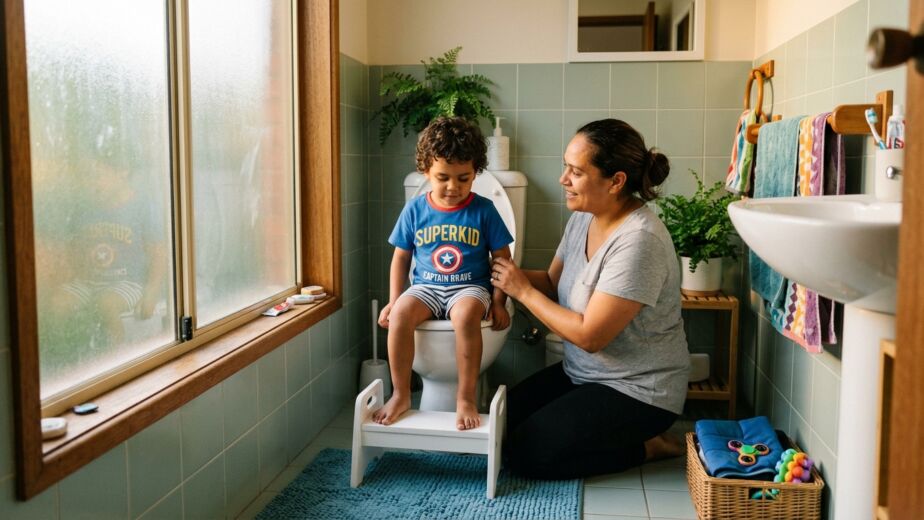
If your neurodivergent child is taking much longer to toilet train than the books said they should, or if accidents, avoidance, and anxiety around the bathroom have become a daily battle, this course is for you - and it starts by saying clearly that none of this is your fault. Emily walks you through why toileting is genuinely harder for many neurodivergent children, how interoception, sensory processing, and demand avoidance all play a role, and what low-demand, shame-free strategies actually look like in real family life. Practical, warm, and completely free of judgment - for your child and for you.
Course Content
Why This Is Hard: The Real Reasons Toilet Training Takes Longer
-
It Is Not a Parenting Failure: Reframing What Toilet Training Readiness Actually Means
-
The Neurodivergent Body-Brain Connection: Why Standard Timelines Were Not Built for These Children
-
How Co-Occurring Profiles Stack the Challenge: When Autism, ADHD, and Sensory Differences All Show Up at Once
-
How To: Identify Which Factors Are Driving Your Child’s Specific Toileting Challenges
Interoception, Sensory Processing, and Demand Avoidance: The Big Three
What Works Instead: Low-Demand, Sensory-Informed Strategies
Accidents, Enuresis, and Encopresis: Navigating the Hard Stuff Without Shame
Getting Support: Schools, NDIS, and Knowing When to Ask for Help
Student Ratings & Reviews

No Review Yet