
Sensory Processing in Neurodivergent Children: Practical Strategies for Educators, Families and Support Workers
About Course
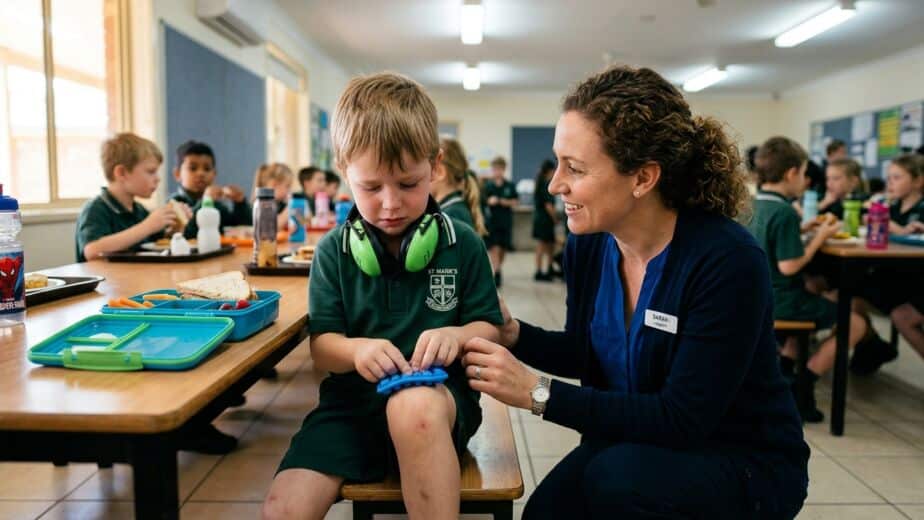
Explore all eight sensory systems and discover how sensory processing differences show up in real classrooms, homes, and community settings for autistic and ADHD children. From fluorescent lighting and school uniforms to lunchtime noise and food aversions, this course blends evidence-based research with compassionate, practical strategies you can use straight away. Whether you are a teacher, parent, NDIS support worker, or allied health professional, you will leave equipped to reduce sensory load, support regulation, and advocate confidently for the children in your care.
Course Content
Beyond the Five Senses: Understanding All Eight Sensory Systems
-
The Eight Sensory Systems: What They Are and Why They Matter for Neurodivergent Children
-
Proprioception and Interoception: The Hidden Senses That Shape Behaviour and Wellbeing
-
How Sensory Processing Differences Develop in Autistic and ADHD Brains
-
How To: Use a Sensory Systems Checklist to Build a Child’s Sensory Profile
Recognising Sensory Triggers in Real Environments
Meltdowns, Shutdowns, and the Road to Regulation
Evidence-Based Strategies: Sensory Diets, Environmental Modifications, and Collaborative Support
Advocacy, Legislation, and Creating Lasting Change
Student Ratings & Reviews

No Review Yet