
Dyslexia and Dyscalculia Decoded: Evidence-Based Strategies for Parents, Teachers, and Support Professionals
About Course
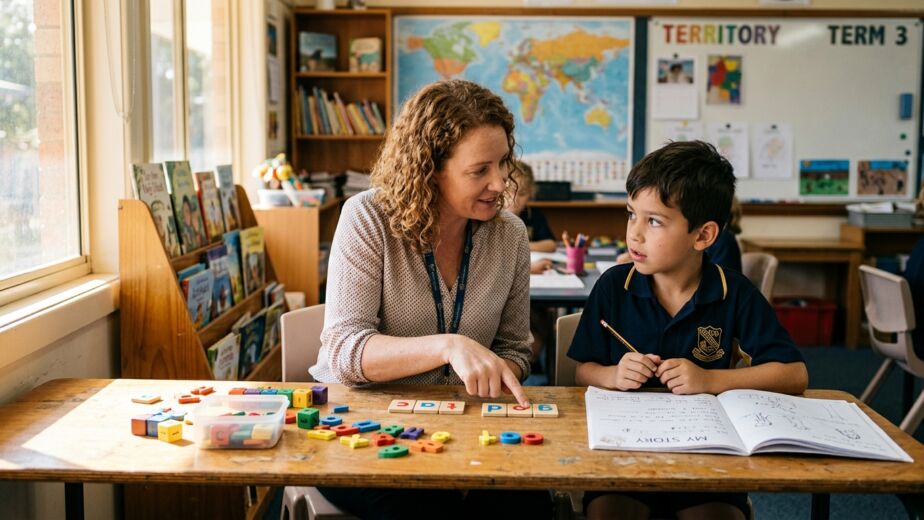
Dyslexia and dyscalculia are among the most common learning profiles in Australian classrooms, yet most educators and parents receive little practical guidance on how to identify or support them. This course unpacks the neuroscience behind how dyslexic and dyscalculic brains process language and number, dismantles persistent myths, and delivers a hands-on toolkit of structured literacy, multisensory maths, and confidence-building strategies grounded in current research. Whether you are supporting a child at home or in the classroom, you will leave with clear, actionable steps and a deeper understanding of the strengths these learners bring.
Course Content
Understanding the Dyslexic and Dyscalculic Brain
-
What Dyslexia and Dyscalculia Actually Are – and What They Are Not
-
The Neuroscience of Language and Number Processing
-
Busting the Myths: Lazy, Careless, and Will Grow Out of It
-
How To: Explain Dyslexia and Dyscalculia to a Child, Parent, or Colleague
Spotting the Signs – Identification Across Every School Stage
Evidence-Based Strategies for Reading, Writing, Spelling, and Maths
Assessment, Diagnosis, and Getting the Right Adjustments
Building Confidence, Addressing Co-occurrence, and Supporting the Whole Child
Student Ratings & Reviews

No Review Yet