Food and the Autistic Nervous System: Understanding Your Sensory Relationship with Eating
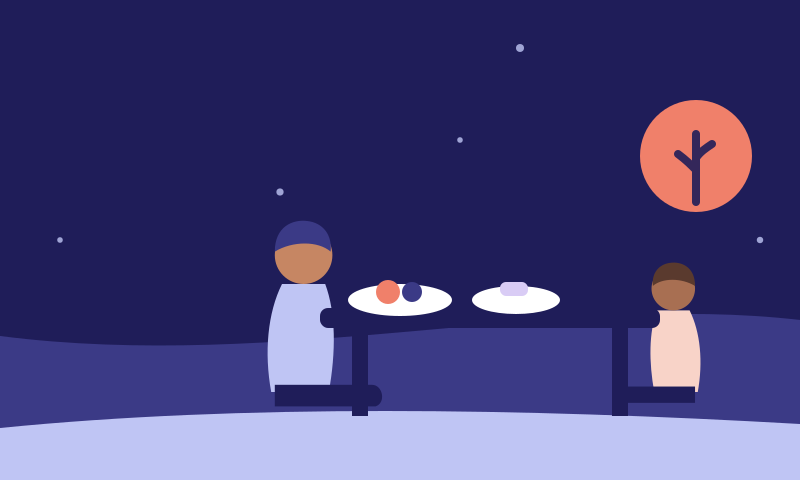
What’s inside
- Downloadable personal food map worksheet to identify your sensory patterns
- Practical strategy checklists for navigating restaurants, social meals, and unfamiliar food environments
- Scripts and conversation guides for explaining your food needs to people in your life
- Sensory profile reflection guide for understanding your individual food triggers
- Real-world scenarios and relatable examples drawn from lived autistic experience
About this course
If food has always felt complicated for you, this course is here to tell you that your nervous system is not broken - it is just processing the world in a way that most kitchens, restaurants, and family tables were never designed to accommodate. Written directly for autistic people, this course unpacks the sensory science behind food selectivity, explains why safe foods are doing something genuinely important for your nervous system, and gives you real, practical tools for navigating eating in a world that does not always understand. You will finish this course with more self-knowledge, less shame, and a clearer sense of how to talk about what you need.
What you will learn
- Explain the sensory science behind why certain foods feel impossible and others feel safe, using accurate language you can actually use
- Identify your own sensory triggers around taste, texture, smell, temperature, and appearance without judgment
- Recognise safe foods as a legitimate nervous system support rather than a habit you need to grow out of
- Use practical strategies to navigate eating in restaurants, other people's homes, and social situations that feel unpredictable
- Write or say a clear, honest explanation of your food needs to a friend, family member, partner, or workplace
- Describe the connection between food, interoception, and nervous system regulation in your own words
- Build a personal food map that reflects your actual sensory needs rather than the foods you think you should be eating
- Approach your relationship with food from a place of safety and self-knowledge rather than shame or performance
Course content
22 lessonsCourse Content
Your Nervous System and Food: Why It Has Always Been This Complicated
-
Food Is More Than Fuel: What Your Nervous System Is Actually Doing at Every Meal
-
Taste, Texture, Smell, Temperature, Appearance: The Five Sensory Channels That Shape Every Eating Experience
-
Why Your Brain Responds Differently and Why That Is Not a Problem to Fix
-
How To: Map Your Own Sensory Food Profile in Five Steps
Safe Foods, Selective Eating, and Why Your Choices Make Complete Sense
Eating in a World That Was Not Designed for You
Talking About What You Need: Scripts, Strategies, and Permission to Ask
Building a Relationship with Food That Actually Works for You
Your instructor
Emily Jones
Reviews
Student Ratings & Reviews

No Review Yet