Skip to content Skip to footer

Sensory-Friendly Classrooms: Low-Cost, High-Impact Strategies for Educators
Wishlist Share

About Course

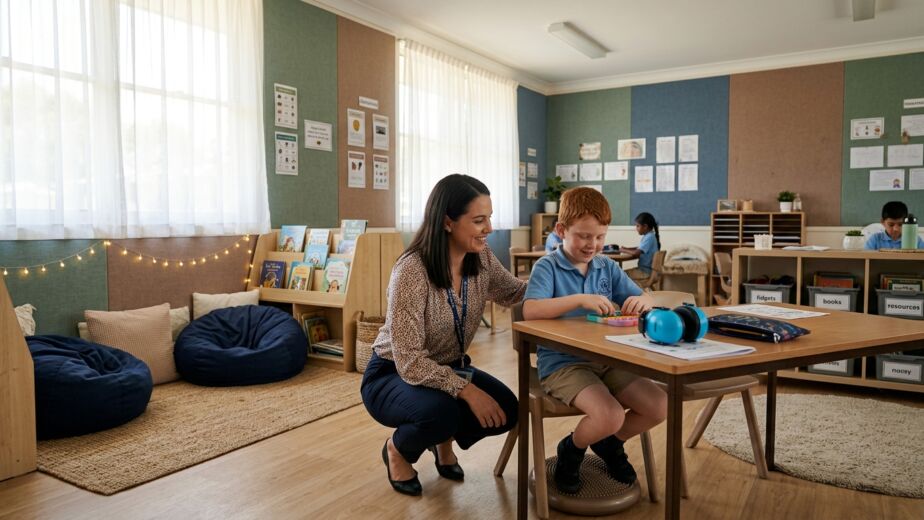
The physical environment of a classroom has a profound effect on how neurodivergent students learn, regulate, and feel safe - yet most schools were designed with no consideration of sensory needs at all. This course gives you practical, low-cost strategies for understanding the eight sensory systems, identifying what is triggering dysregulation in your classroom right now, and making meaningful changes that support every learner. You do not need a renovation budget or a specialist degree - you need the right framework, and this course gives it to you.

What Will You Learn?

  • Explain how each of the eight sensory systems is affected by typical classroom environments and why this matters for neurodivergent learners
  • Conduct a sensory audit of your own classroom or school space and identify the most common sensory triggers present
  • Apply low-cost, practical modifications to lighting, sound, seating, and layout to reduce sensory overload
  • Design a calm corner, movement break area, or low-stimulation zone that is functional, dignified, and easy to maintain
  • Build sensory breaks and movement opportunities into the school day in ways that support learning rather than interrupt it
  • Use evidence-based language and practical frameworks to advocate for sensory-informed design in building, refurbishment, and procurement decisions
  • Contribute to a whole-school culture where sensory diversity is understood, accommodated, and treated as a normal part of school life
  • Adapt your approach for students navigating co-occurring profiles such as Autism and ADHD, where sensory needs may be layered and sometimes contradictory

Course Content

The Eight Sensory Systems and the Classroom

  • Why the Classroom Environment Matters More Than We Were Taught
  • Beyond the Five Senses: Understanding All Eight Sensory Systems
  • Sensory Seeking, Sensory Avoiding, and Everything in Between
  • How To: Recognise Sensory Dysregulation in the Classroom (Not Just Behaviour)

Identifying Sensory Triggers in Your School

Low-Cost Modifications That Make a Real Difference

Designing Sensory Spaces and Building Breaks Into the Day

Advocating for Sensory-Informed Schools

Student Ratings & Reviews

No Review Yet
No Review Yet

Want to receive push notifications for all major on-site activities?