
When Students Crisis: Recognising Escalation, De-escalating Safely, and Supporting Recovery
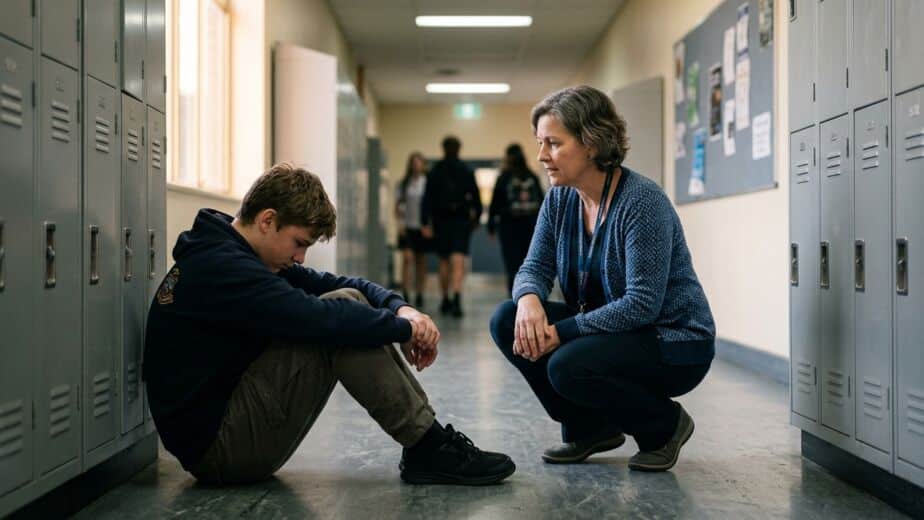
About Course
When a student tips into crisis, most school staff are expected to manage it on instinct, with no training, no script, and no time to think. This course gives you the neuroscience behind meltdowns and shutdowns, practical de-escalation skills you can use before a crisis peaks, and a clear, trauma-informed framework for responding safely when things do go wrong. You will leave knowing how to support a student through and after a crisis without shame, punishment, or re-traumatisation, and how to take care of yourself in the process.
Course Content
The Brain in Crisis: What Is Actually Happening and Why
-
Meltdowns, Shutdowns, and Emotional Flooding: What the Brain Is Doing (Not What the Student Is Choosing)
-
Why Logic, Warnings, and Consequences Make It Worse During a Crisis
-
Trauma, Neurodivergence, and the Nervous System: How They Intersect in the School Environment
-
How To: Explain a Meltdown or Shutdown to Colleagues Without Shame or Blame
Reading the Room: Recognising Escalation Before Crisis Point
De-escalation in Practice: What to Do Before It Peaks
When It Peaks: Responding Safely in a Full Crisis
After the Storm: Recovery, Repair, and Looking After Yourself
Student Ratings & Reviews

No Review Yet