
When Behaviour Is a Message: Understanding Trauma in Neurodivergent Children and Families
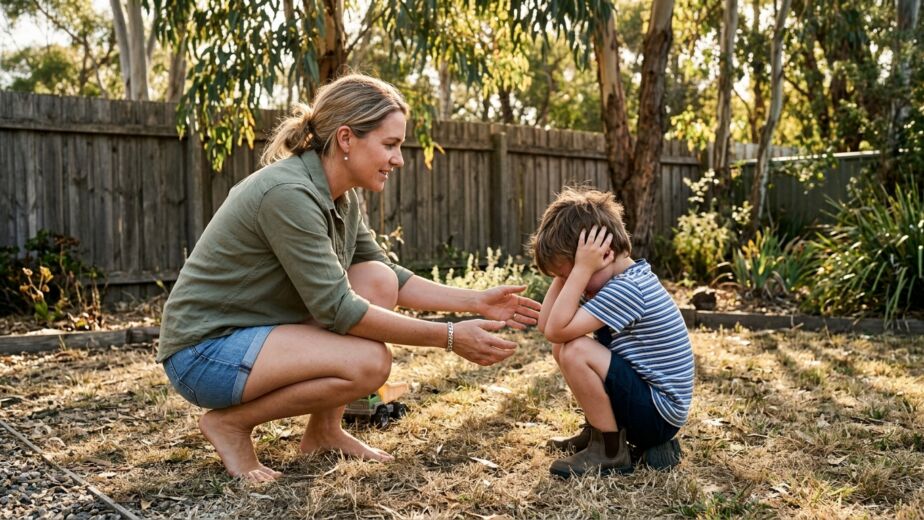
About Course
This course takes an honest, compassionate look at how trauma shows up in neurodivergent children and adults - why it so often gets misread as defiance, manipulation, or simply a ‘difficult’ child, and what actually helps instead. Drawing on current trauma science and lived experience, Emily walks you through the main types of trauma, what they do to the nervous system, and how to build real safety at home, at school, and in support settings. Whether you are a parent trying to understand your child, an educator rethinking your approach, or a support worker looking for tools that genuinely work, this course meets you exactly where you are.
Course Content
What Trauma Actually Is: Redefining the Basics
-
More Than a Single Event: What Trauma Really Means
-
The Six Types of Trauma – Acute, Complex, Developmental, Relational, Medical, and Racial
-
Why Neurodivergent Brains Experience Trauma Differently
-
How To: Tell the Difference Between Trauma Types in Everyday Situations
-
Quiz: What Trauma Actually Is
The Nervous System in Survival Mode
Recognising Trauma in Everyday Behaviour
Why Traditional Behaviour Approaches Often Make Things Worse
Building Safety: Trauma-Informed Strategies for Everyday Life
Student Ratings & Reviews

No Review Yet