Early Signs, Early Support: Identifying and Nurturing Neurodivergent Children from Birth to Age 8

What’s inside
- Video lectures and expert interviews
- Downloadable developmental checklists and observation templates
- Case studies drawn from real early childhood contexts
- Practical how-to guides for environments, conversations, and co-regulation strategies
About this course
The earlier a child’s differences are understood and supported, the better the outcomes - yet many parents and early childhood professionals are left wondering what to look for, when to act, and where to turn. This course gives you the knowledge and confidence to recognise early developmental differences across communication, sensory, motor, social, and emotional domains, navigate Australian assessment and funding pathways, and build environments where neurodivergent young children can genuinely thrive. Warm, practical, and grounded in current research, it also honours the emotional journey families experience as they begin to understand their child’s neurology.
What you will learn
- Distinguish between typical developmental variation and differences that warrant further exploration across communication, sensory, motor, social, and emotional domains in children from birth to age 8
- Recognise early indicators of autism, ADHD, developmental language disorder, sensory processing differences, and developmental motor difficulties in very young children
- Navigate Australian assessment and funding pathways including the Thriving Kids program, NDIS early intervention, and Medicare Child Development Programs
- Design a play-based, neuro-affirming early childhood environment that supports a range of neurological profiles
- Apply co-regulation strategies with infants, toddlers, and young children to support emotional and sensory regulation before self-regulation is developmentally possible
- Evaluate the quality and fit of early intervention approaches including ESDM, DIR Floortime, speech therapy, and occupational therapy
- Support families with compassion and practical guidance through the process of noticing differences, seeking assessment, and receiving a diagnosis
- Use observational tools and developmental checklists to document and communicate concerns clearly with families and allied health professionals
Course content
22 lessonsCourse Content
Understanding Development: What Typical Looks Like and When to Look Closer
-
Developmental Milestones Across Five Domains: Communication, Sensory, Motor, Social, and Emotional
-
Variation vs Difference: Understanding the Range of Typical Development and Knowing When to Explore Further
-
Observing Young Children: How to Document Developmental Differences Clearly and Objectively
-
How To: Use a Developmental Observation Checklist in Everyday Early Childhood Settings
Early Indicators: Recognising Autism, ADHD, DLD, Sensory Differences, and Motor Difficulties
Assessment Pathways and Early Intervention in Australia
Neuro-Affirming Environments and Co-Regulation in the Early Years
Supporting Families Through Realisation, Assessment, and Early Diagnosis
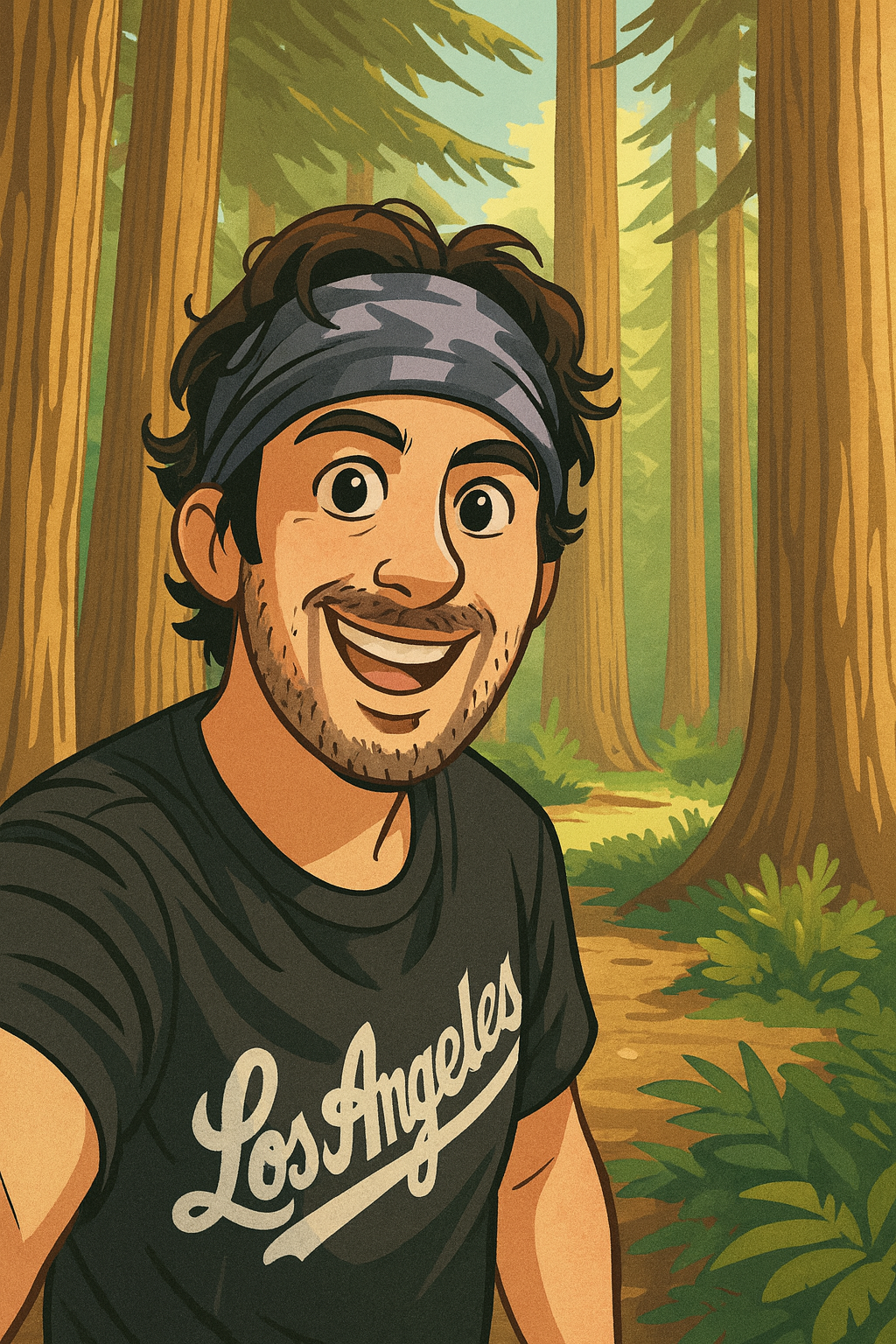
Your instructor
Dave Harrison
Driven by lived experience and a deep belief in equity, I founded thrvhub to bridge the gap between education systems and the learners they often overlook. I’m passionate about creating tools that empower students, parents, aides, and teachers—especially those navigating neurodiversity, trauma, and difference. With a focus on real-life skills, emotional safety, and inclusive learning, I help shape a future where no learner is left behind. Ever.
Reviews
Student Ratings & Reviews
