
The Forgotten Ones: Supporting the Siblings of Neurodivergent Children
About Course
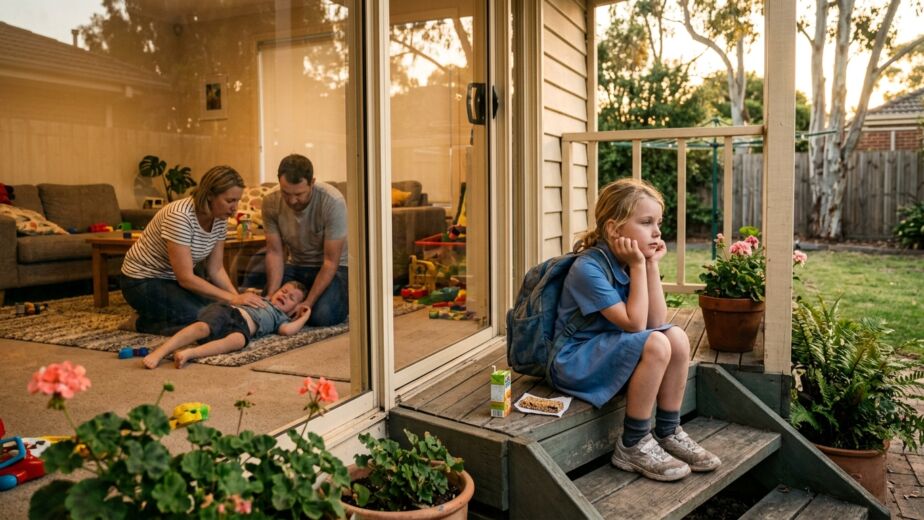
Siblings of neurodivergent children are at significantly higher risk of Glass Child Syndrome, unresolved grief, and long-term mental health impacts - not because of their sibling’s neurodivergence, but because families often lack the tools to fully see and support them alongside it. This course gives parents, educators, and allied health professionals a clear, research-informed framework for making siblings feel genuinely valued, helping them make sense of their family experience, and building sibling relationships that are enriching for everyone. Practical, warm, and grounded in real sibling voices, this course turns awareness into action.
Course Content
Seen and Unseen: Understanding the Sibling Experience in Neurodivergent Families
-
What the Research Actually Says: Sibling Wellbeing, Risk, and Resilience
-
Glass Child Syndrome Explained: When Transparency Becomes Invisibility
-
Voices from the Other Side: Adult Siblings Reflect on Their Childhoods
-
How To: Recognise the Signs That a Sibling Is Struggling at Any Age
Finding the Words: Age-Appropriate Conversations About Diagnosis and Difference
Making Room: Structures That Ensure Every Child Feels Seen
The Complex Cases: When Siblings Are Also Neurodivergent, When Relationships Fracture, and When to Seek Help
A Module for Teen Siblings: This One Is for You
Student Ratings & Reviews

No Review Yet