
Seen and Heard: Autism and ADHD in Girls and Gender-Diverse Young People
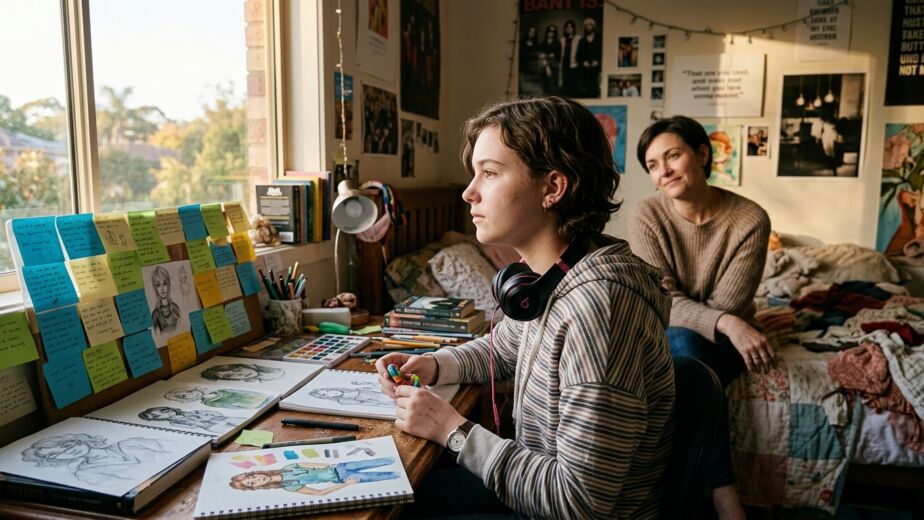
About Course
Girls and gender-diverse young people with autism and ADHD are diagnosed on average 4 to 7 years later than their male peers - years often marked by anxiety, burnout, eating disorders, and deep shame before anyone understands what is actually happening. This course unpacks why female and gender-diverse presentations look so different from the textbook picture, how masking hides the true profile, and what genuinely affirming support looks like at home, at school, and in the clinic. Whether you are a parent, teacher, GP, or allied health professional, this course gives you the knowledge and practical tools to recognise, advocate for, and support the young people who have been told they are too much or not enough for far too long.
Course Content
The Diagnostic Gap: Why Girls Are Missed and What It Costs
-
Built for Boys: How Diagnostic Criteria Exclude Female and Gender-Diverse Presentations
-
The Australian Data: Diagnosis Timelines, Statistics, and What Is Changing Nationally
-
The Cost of Being Missed: Anxiety, Depression, Burnout, and Lost Years
-
How To: Spot the Red Flags That a Diagnosis Has Been Missed in a Teenage Girl
Masking, Camouflaging, and the Performance of Fine
The Presentations Clinicians Miss: Anxiety, Perfectionism, and Eating Disorders
Advocacy, Assessment, and Getting a Diagnosis That Fits
Gender Identity, Affirming Support, and Practical Strategies
Student Ratings & Reviews

No Review Yet